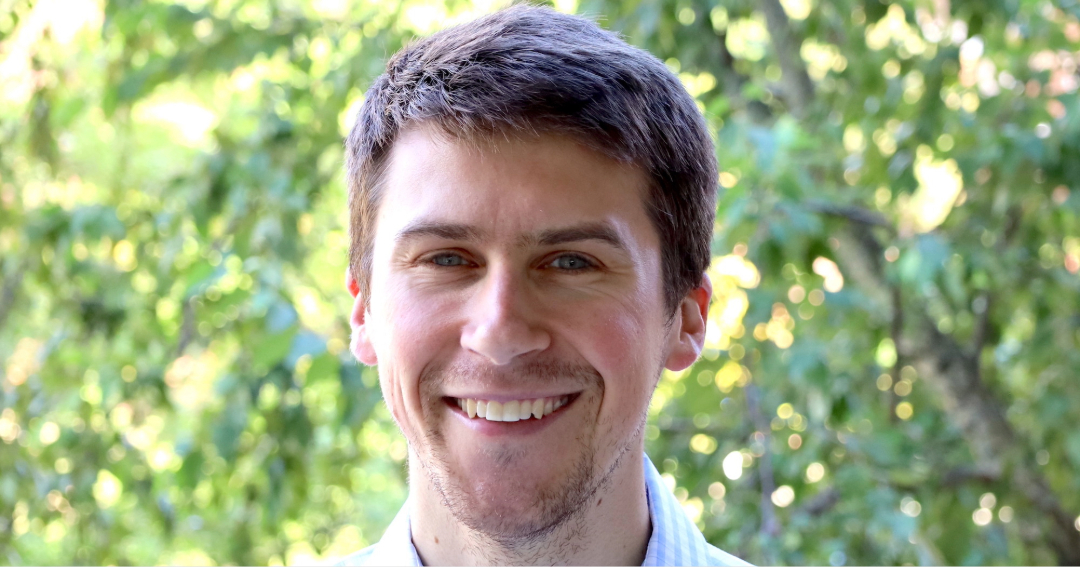
Albert Hopping
Current Position:
Lead Product Manager, Risk Engines at SAS
Degree (s)
- Bachelor in Science in Mathematics and Physics, NC State, 2002
- Master of Science in Financial Mathematics, NC State
Questions below were answered by Albert, while he was in his previous position as a Senior Manager, Risk Consulting at SAS.
Was the degree you earned required for the work you do? How did you find yourself in your current position?
I have a long answer to this that I could give over coffee. I’ll give the short version: My Mathematics BS degree made my Physics BS more approachable and marketable. Recruiters understand the benefits of math more easily than physics as they are rarely technical people. I needed the Master of Financial Mathematics do get into my current field. Immediately prior to applying for the FinMath program I was told I could not be moved into a Quantitative Analyst role without a masters. I got into my current role by raising my hand and asking to try management.
I got my first job by going to the Engineering career fair. I moved into risk and quant role by teaching myself new programming skills and automating any boring or tedious work I was given. I then asked for more work (with my new free time) directly from the quants I wanted emulate.
What skills or abilities do you find are most important in the work you do?
In my current role, it is analytical problem solving, prioritizing, leaning quickly, and communicating. Prior to management, my programming and technical skills were more important in the process of analytical problem solving. Management pushing the balance to softer skills and more “big picture” thinking
What preparation would you recommend for someone interested in entering your field? Are there any courses at State you would recommend?
First find out if you would actually enjoy working in the field. Try to talk to folks in BUS 429, MA 528, and MA 548 or take them. Also make sure you like programming or at least Excel and VBA. Other masters common to my field are economics, analytics, and statistics.
What other career paths would you suggest a student explore before making a final decision?
Consider anything you think is fun. Consider teaching, we need more passionate STEM teachers everywhere. Study machine learning and AI. The labor market will be disrupted by AI. Learn about it and move with it, not against it.
If you had to do everything over again, would you do anything differently? Why or why not?
No, one must look into possible futures and not possible pasts. I certainly had options that would have changed my life and they may have been great (or not), but I love where I am.
- Categories: